A BUSINESS OWNER’S GUIDE
ATM placement vs. ownership.
Compare the responsibilities behind each option before deciding how an ATM will fit into your business.
Compare equipment ownership, cash responsibilities and operating costs.
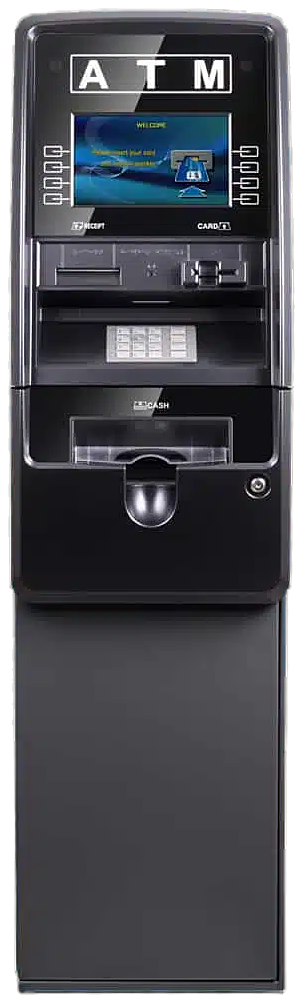
Product example.
Placement typically means discussing an arrangement for equipment owned by a provider. Ownership means buying the machine and establishing your operating plan. The agreement determines what is actually included.
| Consideration | Placement | Ownership |
|---|---|---|
| Equipment | Confirm who supplies and owns it. | You purchase the selected equipment. |
| Upfront costs | Ask what the program covers and any location costs. | Budget for equipment and the agreed setup costs. |
| Cash funding | Confirm whether the provider or business funds cash. | Establish a cash funding and loading plan. |
| Maintenance | Check included service and exclusions. | Arrange maintenance and support. |
| Transaction income | Review any revenue share, fees and reporting. | Review revenue after processing and operating costs. |
| Commitment | Review term, removal and cancellation provisions. | Review purchase, processing and service agreements. |
Compare the agreement, not just the headline.
Neither option guarantees income. Your location’s usage, costs and contract terms matter more than an equipment photo or a projected revenue figure.
Which conversation should you start with?
If you want to explore adding an ATM without purchasing the equipment, begin with ATM placement. If you want to own the machine and plan its operation, begin with ATM sales. Already own one? Review ATM processing.
THE NEXT STEP
Discuss an ATM for your location.
Talk through your business, your customers and the ATM arrangement you have in mind.